
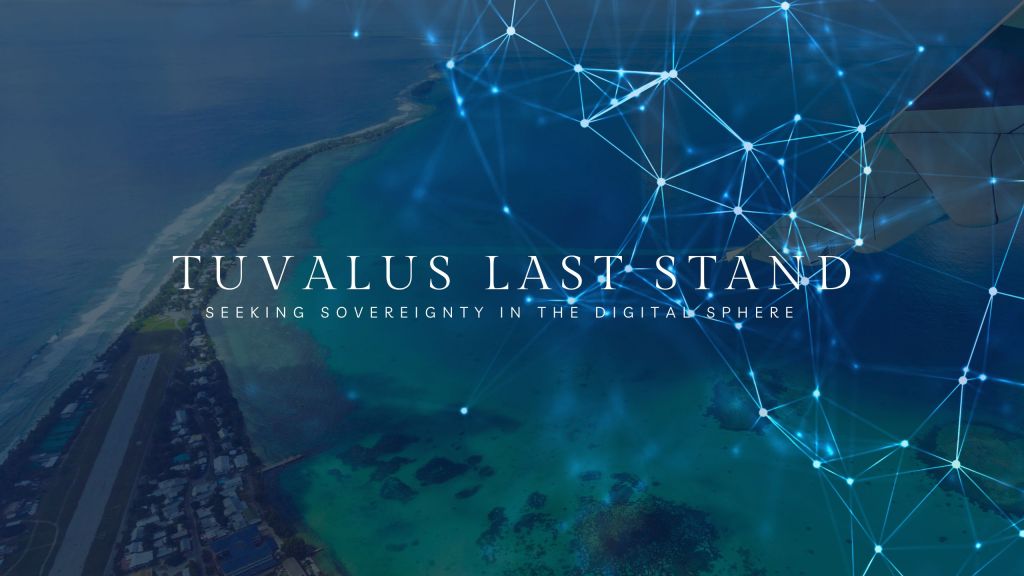
Tuvalu, a Pacific island nation facing imminent threats from rising sea levels, has launched an unprecedented initiative to become the world’s first digital nation. Announced at COP27 by Foreign Minister Simon Kofe, the project involves creating a virtual replica of Tuvalu’s land, culture, and governance structures in the metaverse to preserve its sovereignty even if its physical territory is lost. While the initiative raises legal and diplomatic questions about digital statehood, it serves as a bold effort to ensure that Tuvalu’s identity, history, and people are not erased by climate change. However, critics argue that digital preservation does not address the immediate displacement of Tuvaluans, and some question whether a virtual nation can truly replace a homeland. Despite the challenges, Tuvalu’s experiment sets a precedent for other climate-threatened nations, highlighting the urgent need for global action on climate resilience.
By Lagipoiva Cherelle Jackson
In the vast expanse of the Pacific Ocean lies Tuvalu, a nation comprising nine low-lying atolls and reef islands, home to approximately 11,000 people. With an average elevation of less than two meters above sea level, Tuvalu faces an existential threat from climate change-induced sea-level rise. Projections indicate that significant portions of the country could become uninhabitable by mid-century. In response, Tuvalu has embarked on an unprecedented journey to preserve its sovereignty and culture by creating the world’s first digital nation.
The Digital Nation Initiative
In November 2022, during the United Nations Climate Change Conference (COP27), Tuvalu’s Foreign Minister, Simon Kofe, announced plans to digitize Tuvalu’s territory and culture. This initiative aims to replicate the nation’s islands and landmarks in the metaverse, ensuring that Tuvalu’s heritage persists even if the physical land is lost to rising seas. Kofe emphasized the urgency of this endeavor, stating that Tuvalu must act because global efforts to combat climate change have been insufficient.
The indigenous people of Tuvalu, known as Tuvaluans, have a rich Polynesian heritage deeply connected to their land and ocean. Tuvaluan, a distinct Austronesian language, is spoken alongside English and serves as a vital link to their oral traditions, history, and communal way of life. Their culture is expressed through traditional dances such as the fatele, a rhythmic performance featuring clapping, singing, and choreographed movements that tell stories of their ancestors and daily life. Weaving and canoe-building are also central to Tuvaluan identity, passed down through generations as essential survival skills. Community gatherings in falekaupule (meeting houses) serve as hubs for decision-making, reinforcing Tuvalu’s social cohesion. As climate change threatens their homeland, the loss of physical space endangers these cultural practices, making digital preservation efforts even more crucial in ensuring that their identity and traditions endure beyond the rising seas.
Preserving Sovereignty in the Digital Realm
The concept of a digital nation challenges traditional notions of statehood, which are typically defined by physical territory and a permanent population. Tuvalu’s initiative seeks to adapt international law to recognize digital sovereignty, allowing the nation to maintain its status and governmental functions in cyberspace. This includes the potential issuance of digital passports and the continuation of legal systems on blockchain platforms. While innovative, this approach raises complex legal and diplomatic questions about the recognition of a nation without a physical homeland.
Cultural Preservation Amidst Displacement
For the people of Tuvalu, the land is intrinsically tied to their identity, traditions, and way of life. The prospect of losing their homeland is not just a physical displacement but a profound cultural upheaval. The digital nation project aims to mitigate this loss by creating virtual spaces where Tuvaluans can gather, celebrate their heritage, and educate others about their culture. Virtual reality platforms could host interactive experiences, allowing users worldwide to explore Tuvalu’s history, language, and traditions, fostering a sense of global solidarity and awareness.
Global Implications and Support
Tuvalu’s plight has drawn international attention to the broader consequences of climate change, particularly for small island nations. Collaborations with technology firms and environmental organizations are crucial to the success of the digital nation initiative. For instance, partnerships with companies specializing in high-resolution mapping and virtual reality are essential for creating accurate digital replicas. Additionally, legal experts and policymakers are working to address the challenges of digital sovereignty, setting precedents that could influence international law and the rights of displaced populations worldwide.
Challenges and Criticisms
While pioneering, the digital nation concept is not without its challenges. Critics argue that creating a virtual replica does not address the immediate and tangible threats posed by climate change. There are concerns about the allocation of resources, as developing digital infrastructure requires significant investment that could otherwise be used for physical climate adaptation measures. Moreover, the effectiveness of a digital nation in preserving cultural practices that are inherently tied to the land remains a topic of debate. The initiative also faces skepticism regarding its feasibility and the willingness of the international community to recognize digital sovereignty.
Pioneering Efforts
Despite these challenges, Tuvalu’s initiative serves as a beacon for other nations facing similar threats. It highlights the urgent need for innovative solutions to preserve national identity and sovereignty in the face of environmental crises. As climate change continues to impact vulnerable regions, the concept of digital nations may become a viable option for preserving cultural heritage and maintaining governance structures. Tuvalu’s efforts could pave the way for international protocols that recognize and support digital embodiments of threatened nations, ensuring that their legacies endure despite physical adversities.
Tuvalu’s journey to establish the first digital nation is a testament to human resilience and ingenuity. It underscores the profound connection between people and their homeland, and the lengths to which a nation will go to preserve its identity. While the physical islands of Tuvalu may be at risk, the spirit of its people, enshrined in digital form, aims to transcend the challenges posed by climate change, offering a new paradigm for sovereignty and cultural preservation in the digital age.



 The New Atoll
Leave a comment