
The Trump administration has reopened the Pacific Remote Islands Marine National Monument to commercial fishing, reversing protections that had been in place since 2009 and expanded under President Obama in 2014. The decision allows commercial fishing between 50 and 200 nautical miles from the monument’s islands, a move that has sparked concern from environmental groups and ocean scientists who warn it could lead to serious ecological consequences.
The monument spans over 490,000 square miles in the Central Pacific and includes areas around Baker, Howland, and Jarvis Islands, Johnston Atoll, Kingman Reef, Palmyra Atoll, and Wake Island. It was originally established to protect marine biodiversity, including coral reefs, migratory species, and deep-sea ecosystems, many of which are considered vulnerable or endangered.
Supporters of the decision, including House Natural Resources Committee Chairman Bruce Westerman, argue that the move provides economic opportunities to American fishing communities. In a statement issued by the Committee, Westerman said the decision would “help support local communities in places like American Samoa” and “allow for greater access to American fishing grounds.”
But environmental groups and ocean advocates say lifting the protections undermines U.S. commitments to marine conservation and could contribute to overfishing, disrupt critical habitats, and weaken the resilience of ocean ecosystems already under pressure from climate change. The area had previously been off-limits to commercial extraction, serving as a biological refuge in one of the most ecologically significant marine zones in the world.
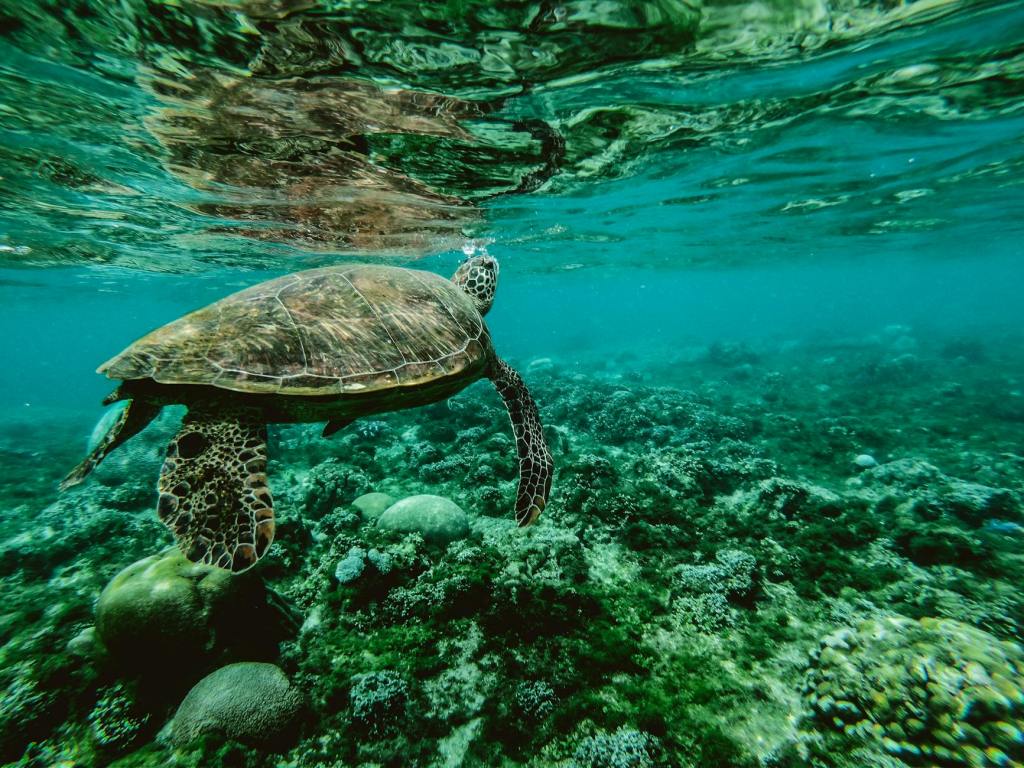
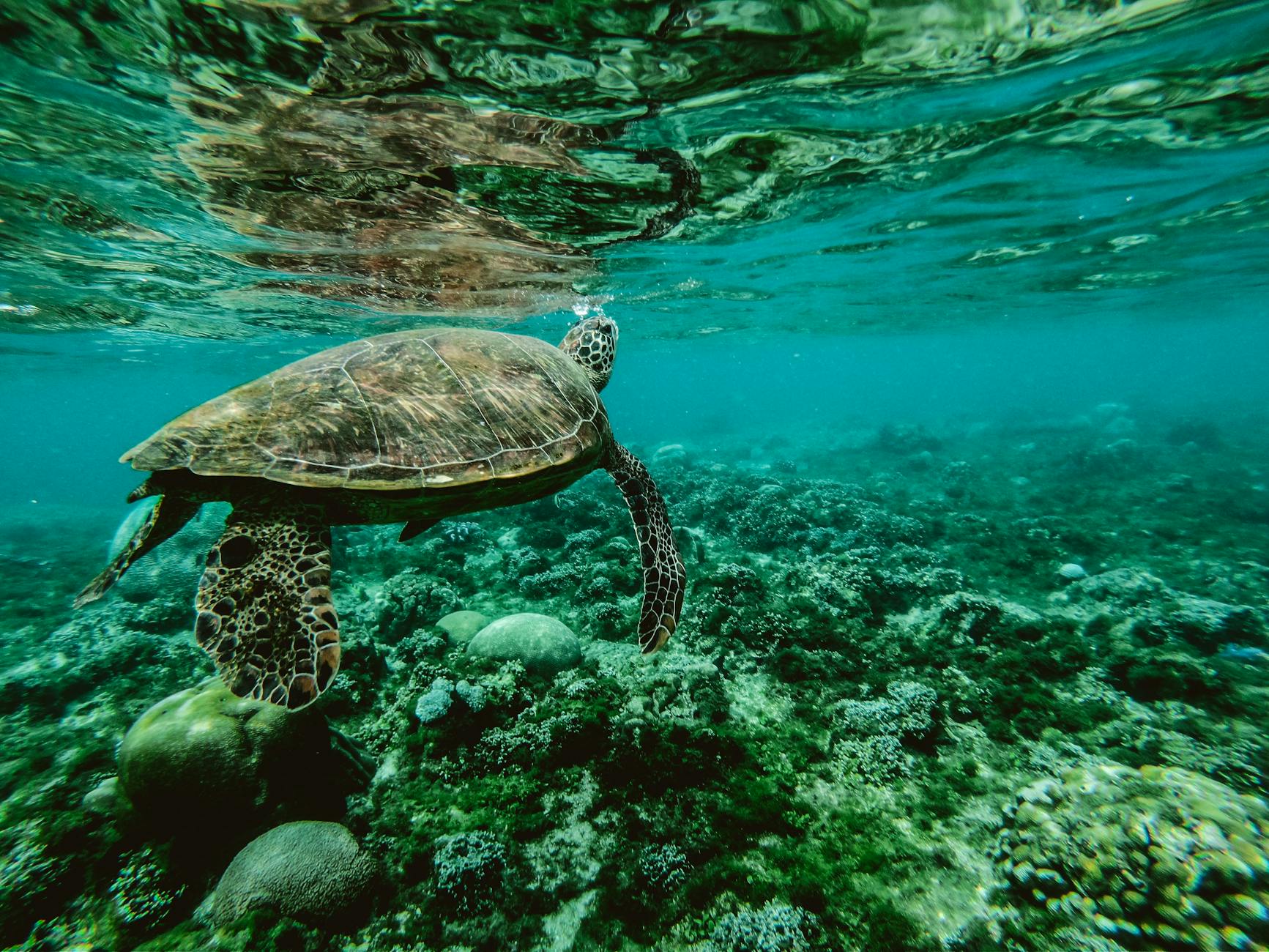
The Pacific Remote Islands monument is jointly managed by the U.S. Fish and Wildlife Service and the National Oceanic and Atmospheric Administration. It is home to hundreds of species, including deep-sea corals, tuna, sharks, sea turtles, and seabirds. The protections were seen as essential to maintaining biodiversity and supporting global marine conservation goals.
While the administration’s supporters frame the reopening as a win for economic activity, critics have emphasized that the long-term environmental costs could outweigh short-term commercial gains. The decision also raises concerns for Pacific territories, particularly those that have relied on conservation efforts to sustain local fisheries and preserve cultural ties to the ocean.
No public consultations with Indigenous Pacific communities or local fisheries management authorities were mentioned in the announcement. The executive order adds to ongoing debates around balancing economic development with climate resilience and environmental stewardship in the Pacific.
The implications of this policy shift will continue to unfold as commercial vessels regain access to one of the last large-scale no-take marine zones under U.S. jurisdiction. Scientists and regional leaders are expected to watch closely for ecological impacts and potential diplomatic fallout in a region already contending with climate-driven challenges.

 The New Atoll
Leave a comment