
The world’s highest court has declared climate harm unlawful, delivering a legal breakthrough long demanded by Pacific Island nations. In a historic advisory opinion on July 23, the International Court of Justice confirmed that states are legally obligated to cut emissions, protect human rights, and cooperate to address climate change. The ruling, driven by a youth-led campaign that began with 27 Pacific law students in Vanuatu, affirms 1.5°C as a binding target and holds that breaching climate duties carries legal consequences, including reparations. It protects statehood and maritime rights for low-lying nations and strengthens the case for phasing out fossil fuels.
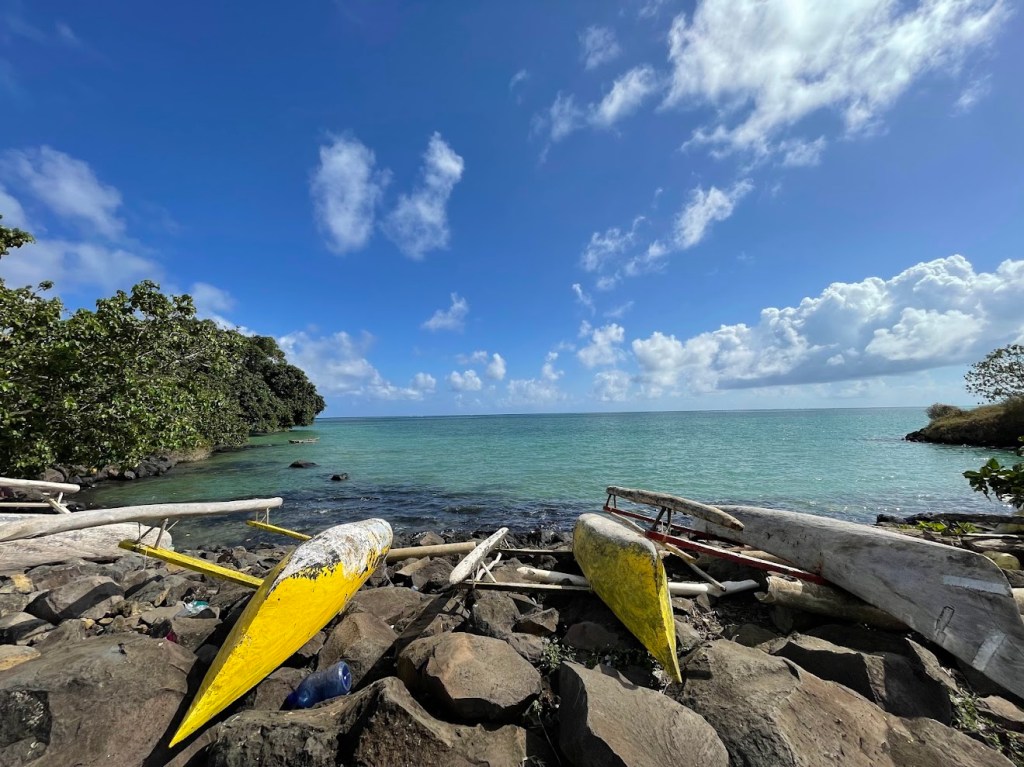
By Lagipoiva Cherelle Jackson
[The New Atoll] The Hague, 24 July 2025: The world’s highest court has issued a legal opinion that Pacific Island nations are calling a major victory in the fight for climate justice. In an Advisory Opinion released on July 23, the International Court of Justice (ICJ) confirmed that governments have binding legal obligations to prevent climate harm, protect human rights, and provide reparations for damage already done.
The ruling marks a significant moment for Small Island Developing States (SIDS), which have long been at the forefront of climate advocacy. The opinion affirms that the right to a clean, healthy, and sustainable environment is a prerequisite for all other human rights, including life, self-determination, and development.
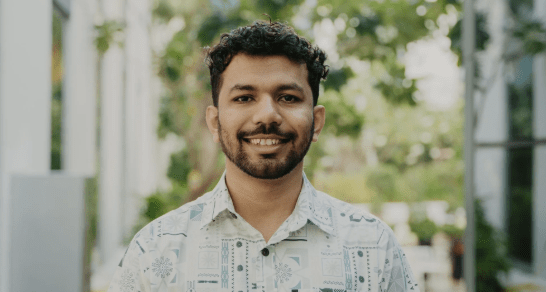
“Today the world’s smallest countries have made history. The ICJ’s decision brings us closer to a world where governments can no longer turn a blind eye to their legal responsibilities. It affirms a simple truth of climate justice: those who did the least to fuel this crisis deserve protection, reparations, and a future. This ruling is a lifeline for Pacific communities on the frontline,” said Vishal Prasad, Director, Pacific Islands Students Fighting Climate Change.
The case was initiated by Pacific Island students and youth movements. In 2019, 27 law students at the University of the South Pacific in Vanuatu began pushing for the court to weigh in on the legal duties of states regarding climate change. That grassroots effort evolved into a global campaign supported by civil society, legal experts, and more than 130 governments who backed the 2023 UN General Assembly resolution calling for the opinion.
“For Tuvalu, this is a breath of legal oxygen,” said Richard Gokrun of the Tuvalu Climate Action Network. “We’ve known that our survival has always been a question of justice, not a measure of charity extended to us by polluters.”
The ruling is seen as both a validation of Pacific advocacy and a call to action. For many, it marks a turning point in climate diplomacy.
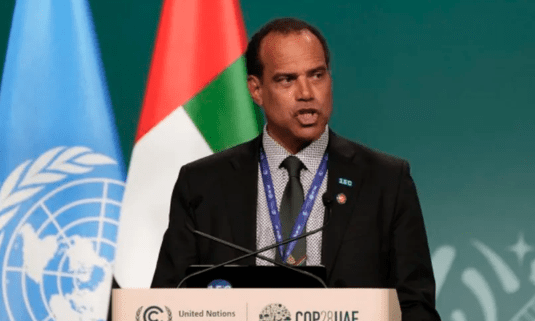
Ralph Regenvanu, Vanuatu’s Minister for Climate Change, described the ruling as a “very important course correction in this critically important time,” noting that it marks the first occasion the ICJ has directly addressed the greatest threat to humanity. Speaking to reporters in The Hague, he added, “I didn’t expect it to be good. It’s good. And it did go above and beyond.”
The Court’s opinion offers legal clarity on issues central to Pacific Island survival, from emissions reductions to the preservation of statehood and maritime boundaries in the face of rising seas.
Key findings welcomed by Pacific civil society and AOSIS include:
- The 1.5°C global warming limit is not a political target but a legally binding obligation under international law.
- Climate finance is a legal duty, not voluntary aid. Governments must ensure finance is accessible, adequate, and directed toward mitigation, adaptation, and loss and damage.
- States are not absolved of obligations across borders. Climate harm that affects communities beyond national boundaries carries legal consequences.
- Climate-induced sea-level rise does not erase maritime rights or statehood, protecting the territorial integrity and sovereignty of island nations.
“The Court has handed us a legal backbone for climate justice,” said Rufino Varea of the Pacific Islands Climate Action Network (PICAN). “No more excuses. Those who fuel this crisis must stop the harm and help repair it.”
The opinion holds that breaching climate obligations constitutes an internationally wrongful act and states responsible must provide full reparations. It also elevates the legal standing of Nationally Determined Contributions (NDCs), emphasizing that each country must submit targets reflecting its highest possible ambition, tailored to historical emissions and national capacity.
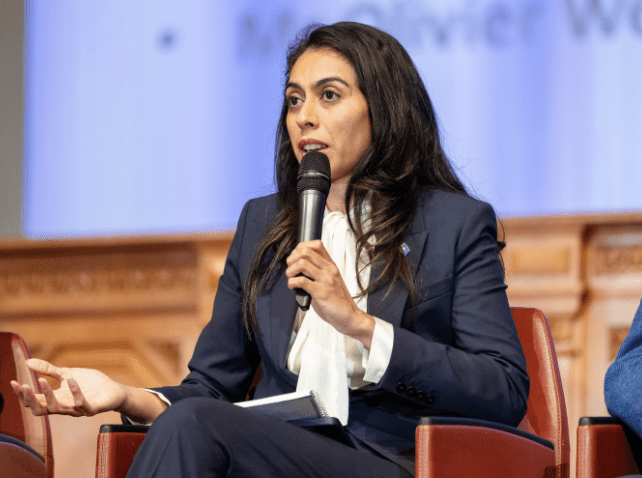
The Alliance of Small Island States (AOSIS), which supported the legal initiative from the start, called the opinion a “new chapter in international law.” It plans to use the decision to push for greater ambition in negotiations under the Paris Agreement and in national climate policies. Ambassador Ilana Victorya Seid, Chair of AOSIS, called the ruling “a foundation, not a conclusion.”
“This opinion reflects the strength of collective advocacy and the hope that has driven this initiative from the very beginning. It is the result of sustained advocacy by Pacific youth, legal experts from vulnerable nations, and States that chose not to remain silent. The ICJ’s findings demonstrate that moral clarity and legal authority can reinforce one another. This ruling must serve as a foundation, not a conclusion. We now call on all States to act with renewed urgency and ambition, in accordance with their legal obligations and the demands of justice.”
Youth-led organizations say the opinion now needs to leave the courtroom and enter policymaking spaces. “This ruling is a guiding star for the level of climate ambition desperately needed within the UNFCCC and beyond,” said Dr. Sindra Sharma, International Policy Lead at PICAN. “Science has long told us what is needed. Now the law does too.”
Mario Liunamel of the Vanuatu Climate Action Network noted that his country helped spark the process because its people live the consequences every day.
“Big emitters must cut fossil fuels, fund real solutions, and repair the harm already done,” he said. “Every cyclone that tears through our islands is financed by someone else’s emissions. This puts that truth in law.”
Christiana Figueres, who led the UN climate secretariat during the Paris Agreement talks, said the ruling brought her to tears. “The 27 Pacific Island law students who first dared to imagine this moment… have changed the legal landscape,” she said. “This is a day for the history books. And a day for renewed resolve.”



 The New Atoll
Leave a comment