
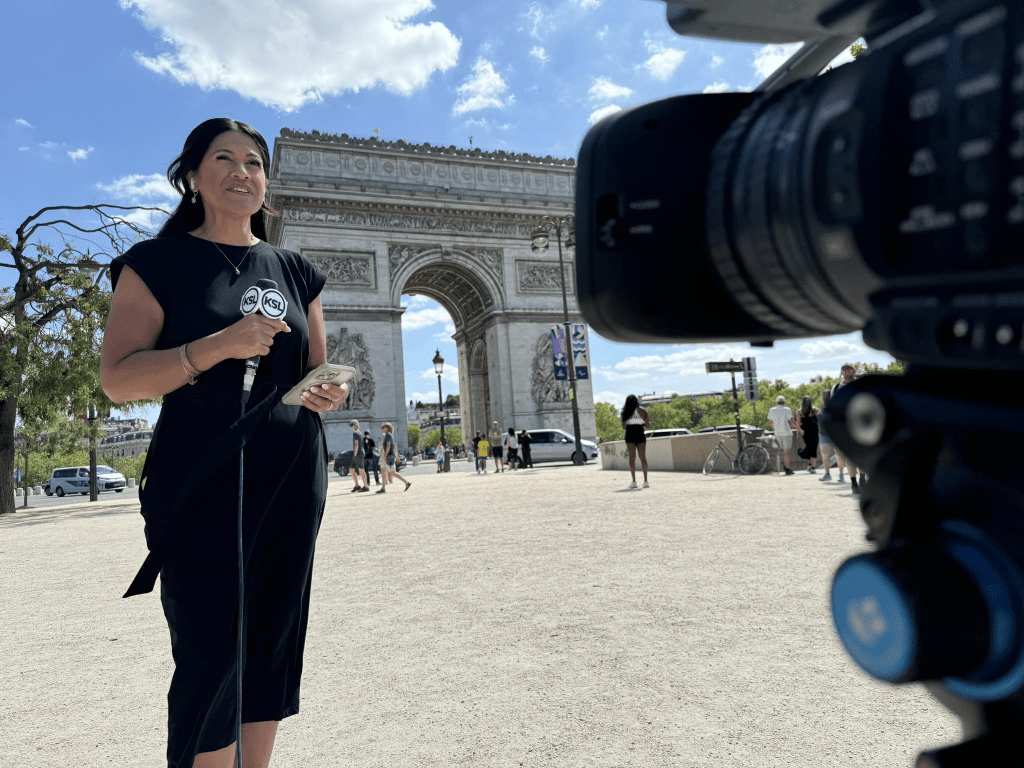
Tamara Vaifanua, the first Samoan news anchor in Utah, has been awarded an Emmy Award for her coverage of the Maui wildfires, along with her team. For her, the honor belonged to the people of Maui.
“I am humbled by this honor,” she said. “Being recognized for a piece about the people of Maui is bittersweet. Their loss was heartbreaking. Being invited into their lives during such a painful time is something I will always carry with me. This recognition feels like an extension of their voices, not mine.”
Her Samoan Foundation and Family Journey
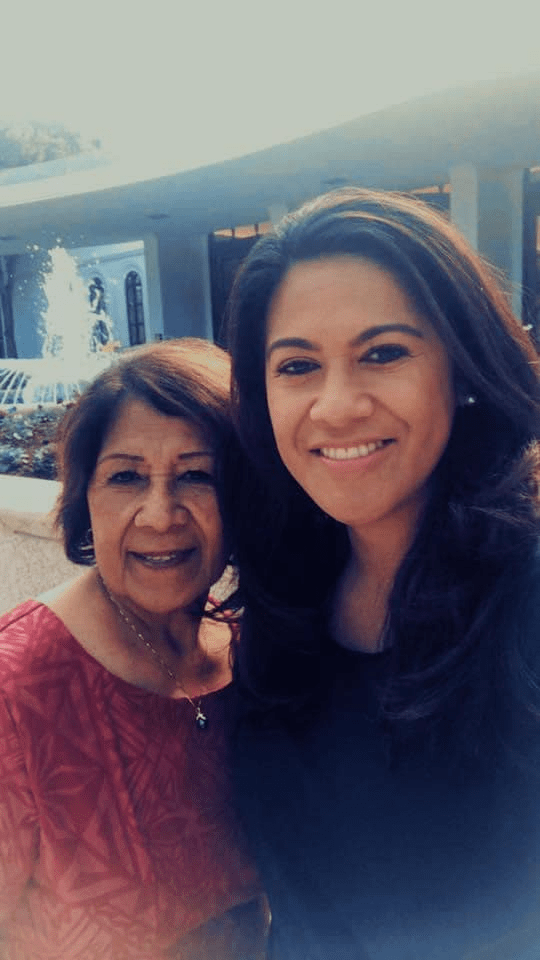
Tamara’s roots trace back to the villages of Alao and Pesega. Her father, Vaimasima Eutika Vaifanua, is from Alao in American Samoa. Her mother, Laila Skipps Vaifanua, comes from Pesega, Samoa. Their family history is closely tied to the LDS Church.
“I am a proud Samoan and everything I am comes from my parents,” she said. “My parents are members of the Church of Jesus Christ of Latter-day Saints, which led them to the U.S. for school before eventually raising our family in California and later Utah, the headquarters of the LDS church. A full-circle moment for me is knowing my mother’s family donated land in Pesega where the LDS temple now stands. That history, their faith, shaped our journey both in Samoa and abroad. I carry that with me in every part of my life and my work.”
Tamara grew up between cultures, moving from the Pacific to the United States and later building a career in Utah’s media landscape.
She has worked in journalism for nearly twenty five years, beginning with a discovery in college.
“I did not originally plan on a career in television news until I took a TV production class at Southern Utah University and immediately fell in love with storytelling, both behind the scenes and in front of the camera.”
Her academic path included political science, and her early career took her to TV stations in Nevada and Arizona before returning to Utah.
“Over the years, I have covered just about everything, but I have always been drawn to stories that highlight underrepresented communities, youth, education, sports with deeper meaning, faith and service.”
Responsibility, Identity and the Work of Journalism

Tamara became Utah’s first Samoan news anchor, a milestone that shaped her approach to reporting.
“Being Samoan and reporting in Utah comes with a deep sense of responsibility,” she said. “I intentionally seek out stories that impact our Pacific Islander community because our voices are underrepresented in mainstream media. I want to show that our contributions go far beyond athletics. Pacific Islanders are leaders in politics, medicine, education and the arts. My heritage grounds me, guides my decisions and reminds me to approach every story with respect, context and care.”
A major shift in her career came when she fully embraced her cultural identity.
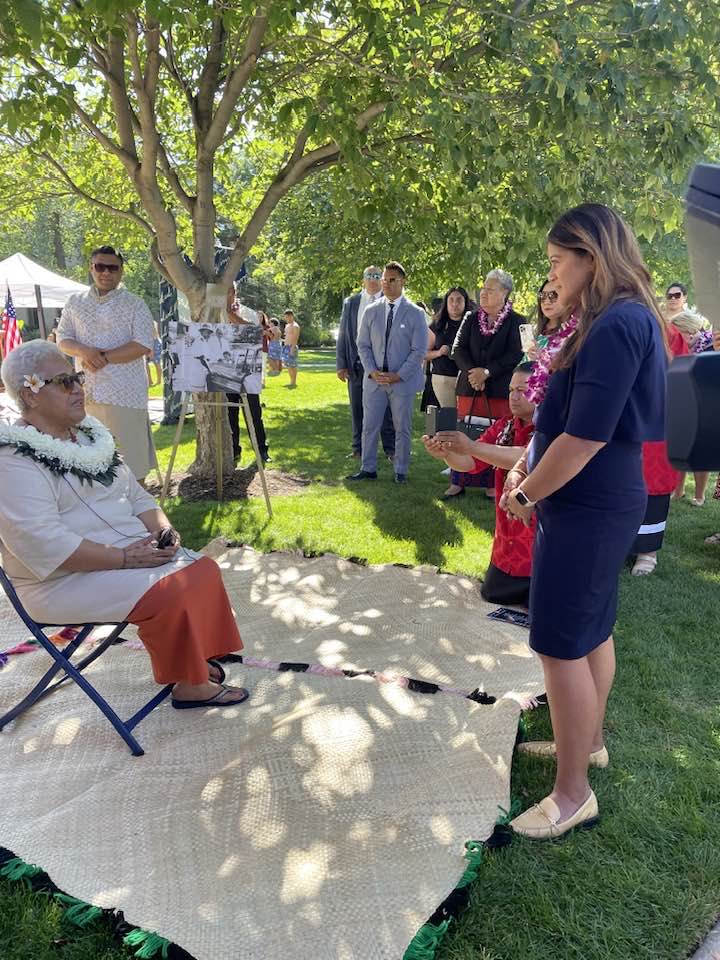
“For a long time, I tried to fit into an image of what I thought a news anchor should be. The turning point was realizing that my greatest strength is my Samoan identity. I come from voyagers, creators and storytellers. Once I embraced that, everything shifted. I felt more grounded, more confident and more connected to the work. And the viewers felt that too.”
Her reporting on the Maui wildfires shaped her on a personal level.
“What stood out was the selflessness. People who had lost everything were still looking for ways to help each other. Their humility reminded me of who we are as Polynesians.”
She described being deeply moved by the community’s willingness to share their experiences.
“The fact that they were willing to share their stories with me spoke to their strength,” she said. “Their example strengthened my purpose.”
Covering disaster required balancing objectivity with humanity.
“In major disasters, people are scared and searching for clarity, so my job is to stay calm and measured while giving them the information they need. I try to be factual and steady, but also human. These are real people with real loss.”
She also emphasized the importance of emotional well-being.
“Taking care of my own mental and emotional well-being is part of the work because I cannot serve others if I am not grounded myself.”
Her Pacific identity influenced her approach in Maui.
“This was not just another assignment for me,” she said. “Because of who I am and who I represent, I approached these stories with deep care. This documentary reached a global audience, and I felt a responsibility to show the world both the devastation and the resilience of the people of Maui. I was chosen for this project because of my background, and I do not take that lightly. I will always seek stories that honor Pacific identity and bring our experiences to the wider world.”
Looking Forward and Supporting the Next Generation
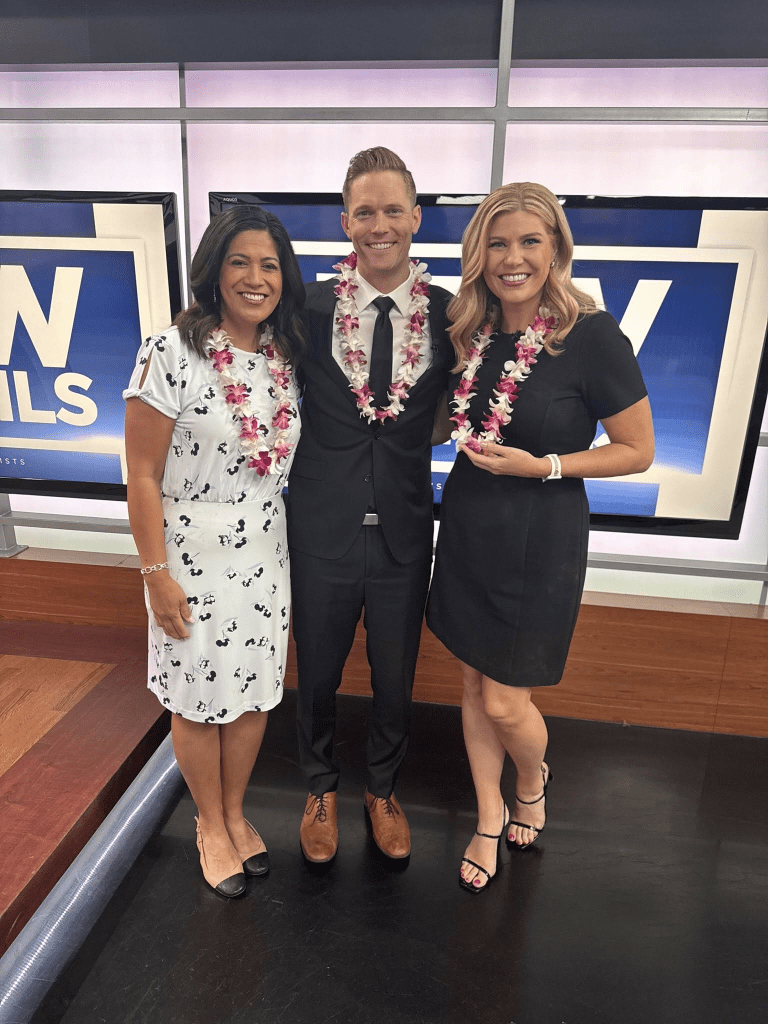
Tamara’s recent reporting experiences expanded her view of Pacific representation on the global stage.
“I met journalists from across the Pacific and realized how connected our global community is,” she said. “Moving forward, I want to pursue stories that amplify Pacific identity on an international level.”
She encourages young Pacific Islanders to embrace their heritage in journalism.
“Use your voice,” she said. “Anyone can learn the technical skills of presenting on camera, but what sets you apart is your lived experience, your culture, your perspective, your upbringing, your truth. Those are your strengths. The world is hungry for Pacific stories, and we have a responsibility to tell them. Do not shrink yourself. Stand tall in who you are.”
For non-Indigenous journalists reporting on Pacific communities, she offers clear guidance.
“Approach with respect, patience and humility. Learn the history and the protocols. Build relationships instead of dropping in for a story. And remember that trust is earned.”
Tamara’s message is more than advice. It is a call to action. Her Emmy win is a reminder that Pacific voices belong at the center of their own narratives and that when Indigenous journalists lead the storytelling, it adds value, especially to the stories of our Pacific peoples. She stands not only as a Pacific islander trailblazer in television broadcasting in the United States but as a mentor paving the way for the next generation of Pacific reporters who will continue to lift their communities with courage, dignity and truth.
 The New Atoll
Leave a comment