

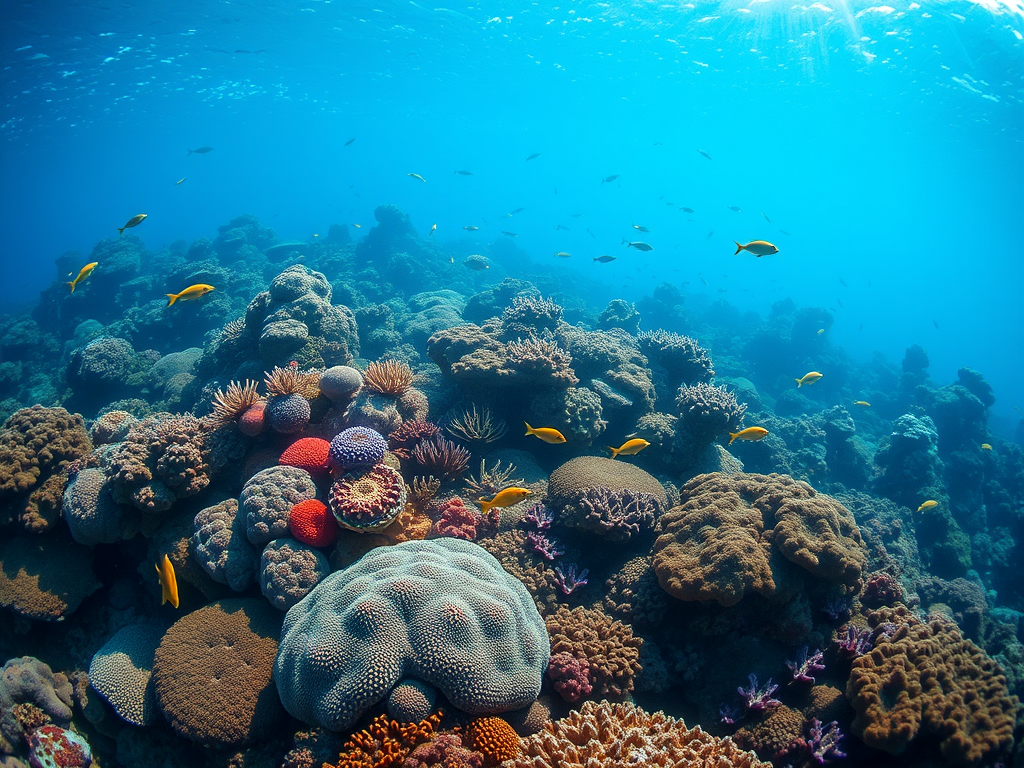
Pacific leaders have welcomed the entry into force of the UN High Seas Treaty, marking a rare moment where global ocean governance reflects decades of Pacific advocacy and leadership.
By Lagipoiva Cherelle Jackson
New York City: The Agreement on the Conservation and Sustainable Use of Marine Biological Diversity of Areas Beyond National Jurisdiction (BBNJ) formally entered into force on 17 January, establishing the first legally binding framework to protect biodiversity in the high seas. These waters lie beyond national boundaries yet are central to Pacific food systems, cultures, and economies.
For Pacific Island states, the treaty’s arrival is not simply a diplomatic milestone. It is the outcome of sustained pressure by Small Island Developing States to reshape an international system that has long extracted from the ocean without protecting it or the people most dependent on it.
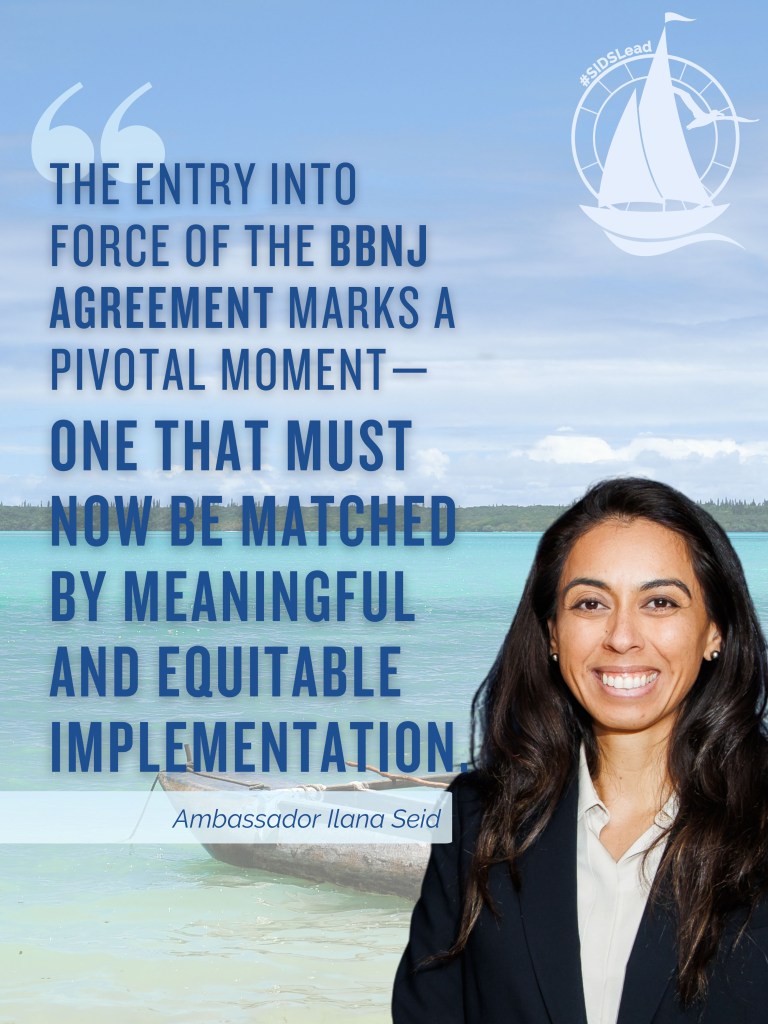
“Small Island Developing States have consistently demonstrated leadership in shaping an ambitious, fair, and inclusive treaty for the ocean,” said Ilana Seid, Chair of the Alliance of Small Island States. She described the treaty’s entry into force as a pivotal moment that must now be matched by “meaningful and equitable implementation.”
That emphasis matters in the Pacific.
The BBNJ Agreement allows countries to establish marine protected areas in the high seas, mandates environmental impact assessments for potentially harmful activities, and introduces rules for sharing benefits derived from marine genetic resources. These provisions have been championed by Pacific states that view the ocean not as an abstract global commons, but as a living system tied to survival, sovereignty, and identity.
Pacific leaders have repeatedly warned that biodiversity loss, ocean warming, and overexploitation threaten island nations first and hardest. While the high seas fall outside national jurisdiction, their degradation directly affects migratory fish stocks, coastal ecosystems, and regional food security across Oceania.
Ambassador Seid stressed that if the agreement is carried forward with the needs, capacities, and lived realities of SIDS at its center, it can deliver lasting benefits for communities, advance ocean equity, and safeguard the ocean as the common heritage of humankind.
For the Pacific, the work now begins.
Implementation will determine whether this treaty becomes another distant global promise or a tool that genuinely supports ocean stewardship led by those who have protected the sea for generations. As Pacific nations have made clear, success will not be measured by signatures or speeches, but by whether ocean governance finally aligns with justice, equity, and lived island realities.
For island states on the frontlines of ocean and climate change, the high seas treaty is a long-awaited step. Whether it delivers will depend on whether the world is prepared to follow Pacific leadership beyond the negotiating table.

 The New Atoll
Leave a comment